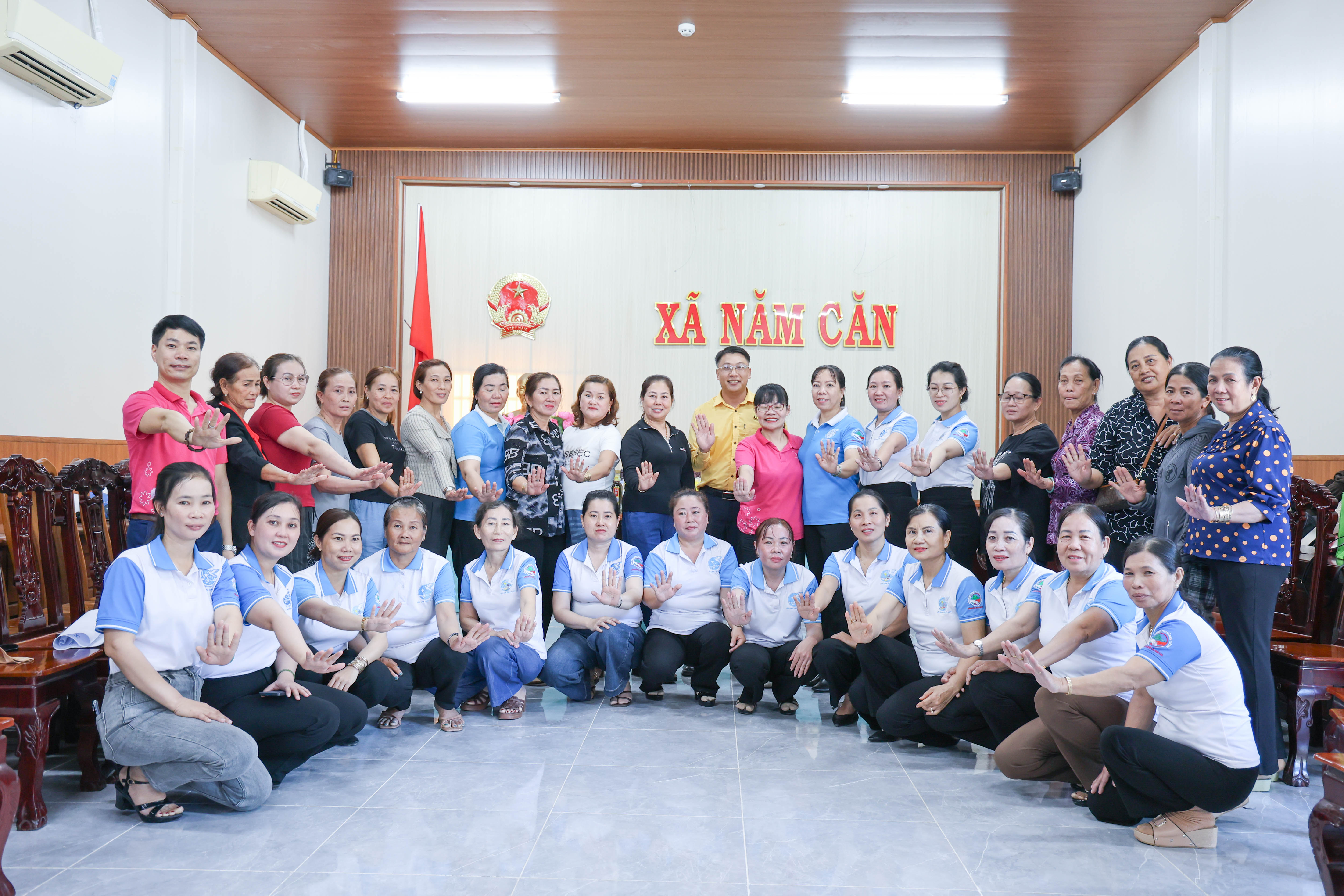






Training on “Gender equality in relation to family economic development” in Tuyen Quang
11/11/2025
 768
views
768
views
“I have participated in several training sessions before, but this was the first time I felt that a class was both engaging and easy to understand. The facilitators explained clearly, and the activities included games and role play, which made the lessons memorable.” - Ms. Phan Thi Tam (Thong Nguyen commune)
“After two days of training, I better understand that gender inequality not only disadvantages women, but also affects the overall development of families and society. Men should participate more actively in training like this, because gender equality brings benefits to both men and women.” - Mr. Trinh Xu
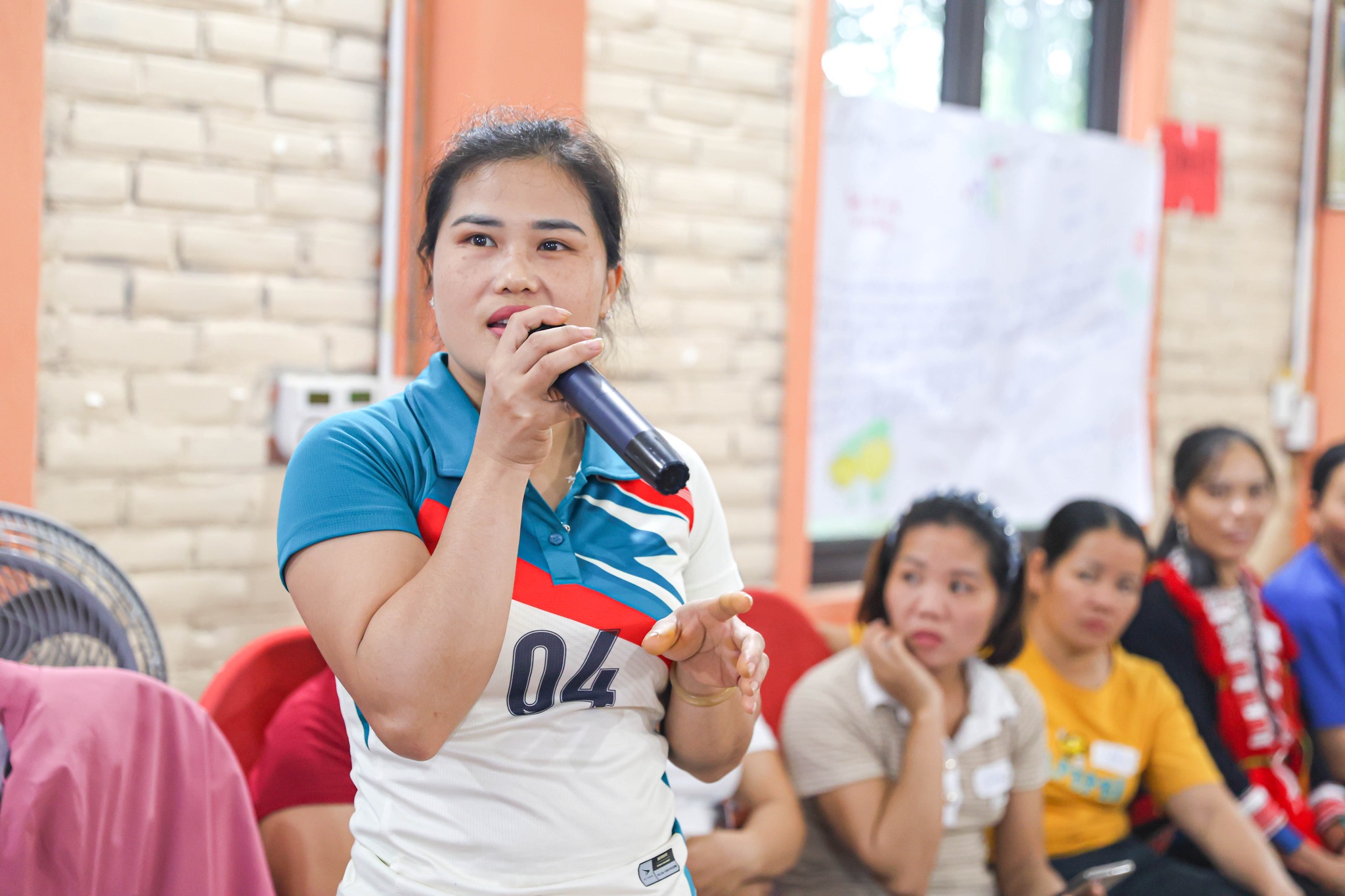
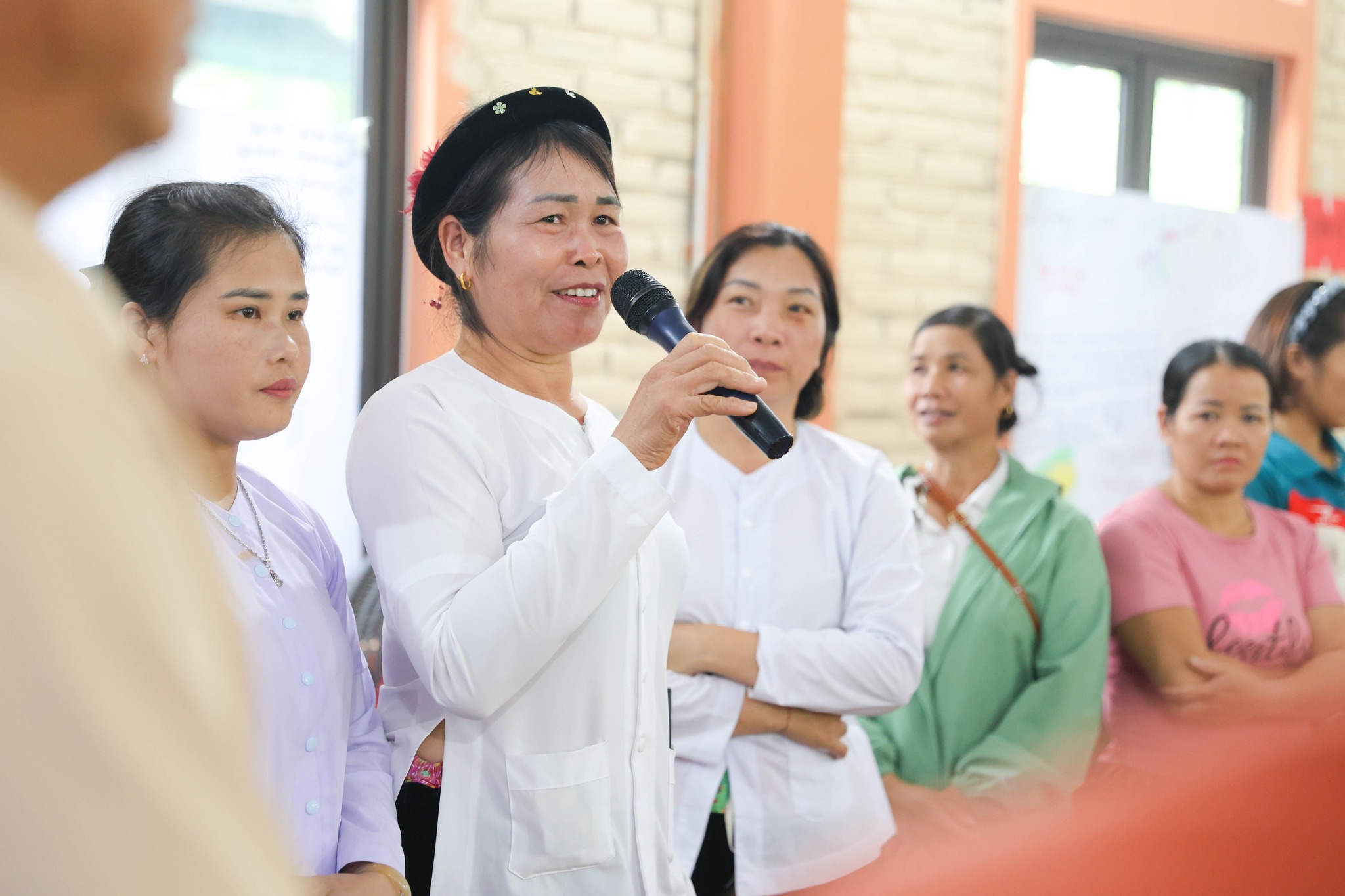
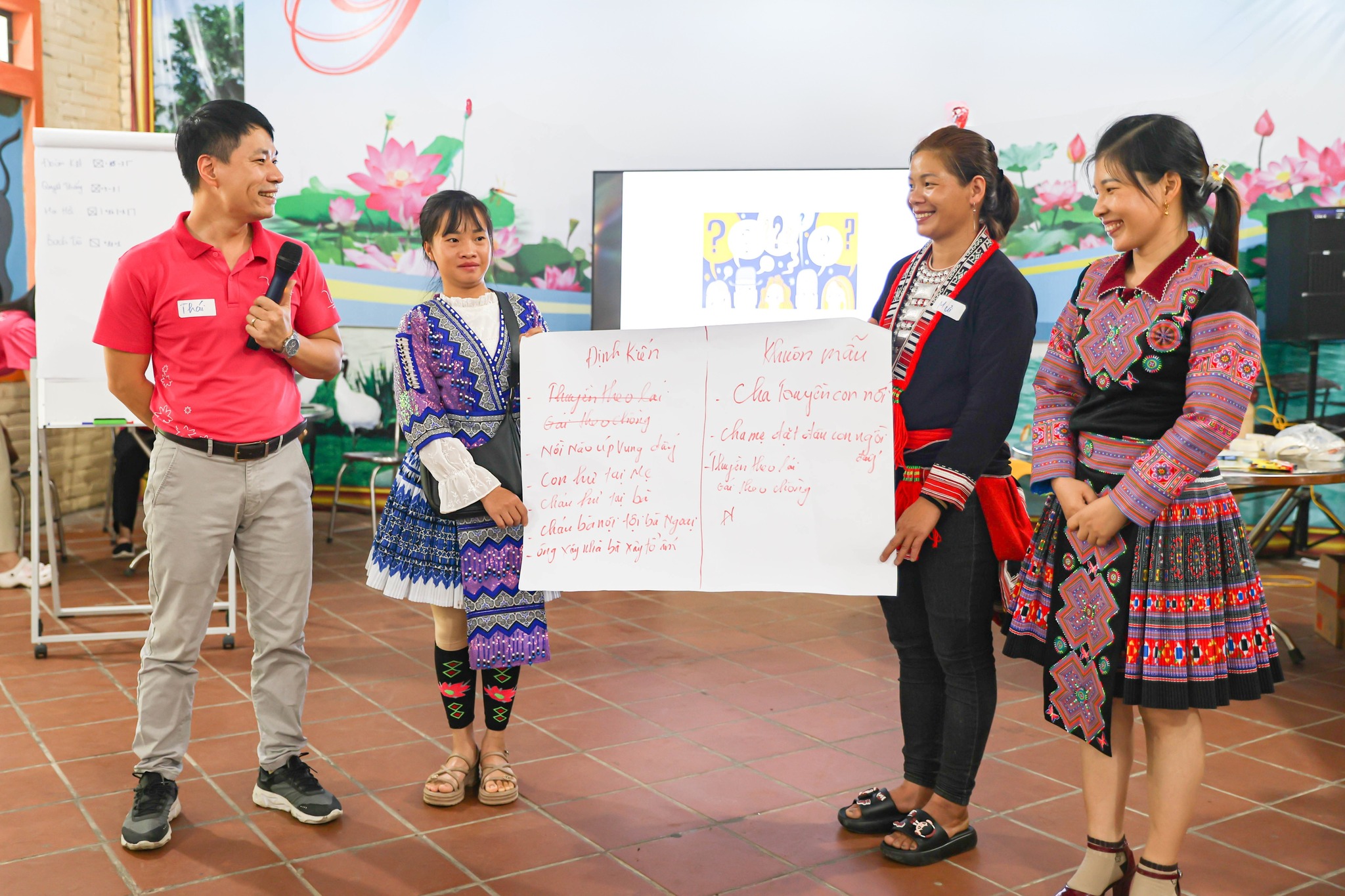
According to survey results, prior to the training, 75 percent of participants tended to reinforce common gender stereotypes, such as the belief that men are responsible for earning income while women must care for children; that men are better leaders than women; or that having a son is necessary to continue the family line. After two days of training, 100 percent of participants were able to identify these gender stereotypes and expressed a desire to eliminate them.
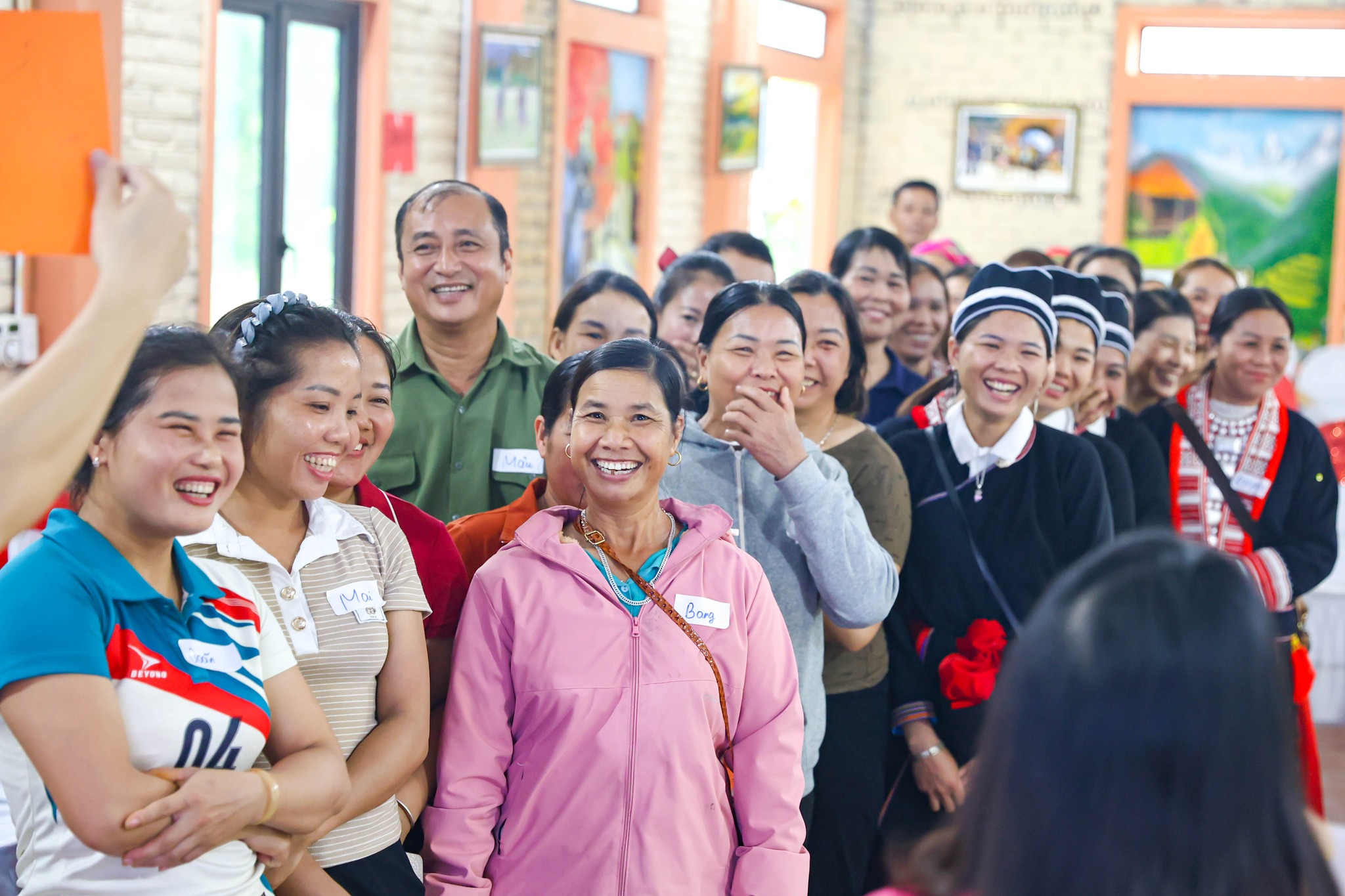
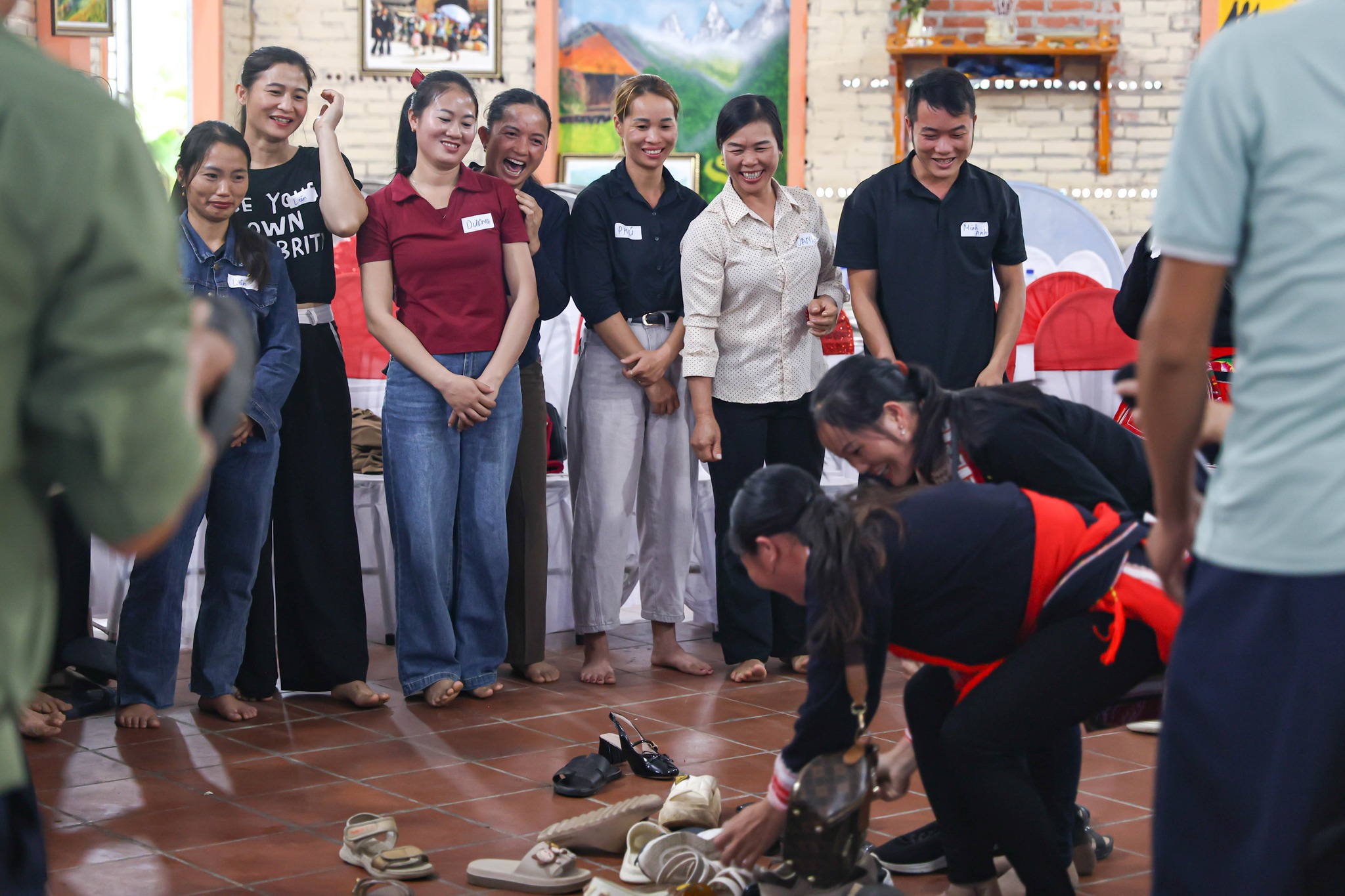
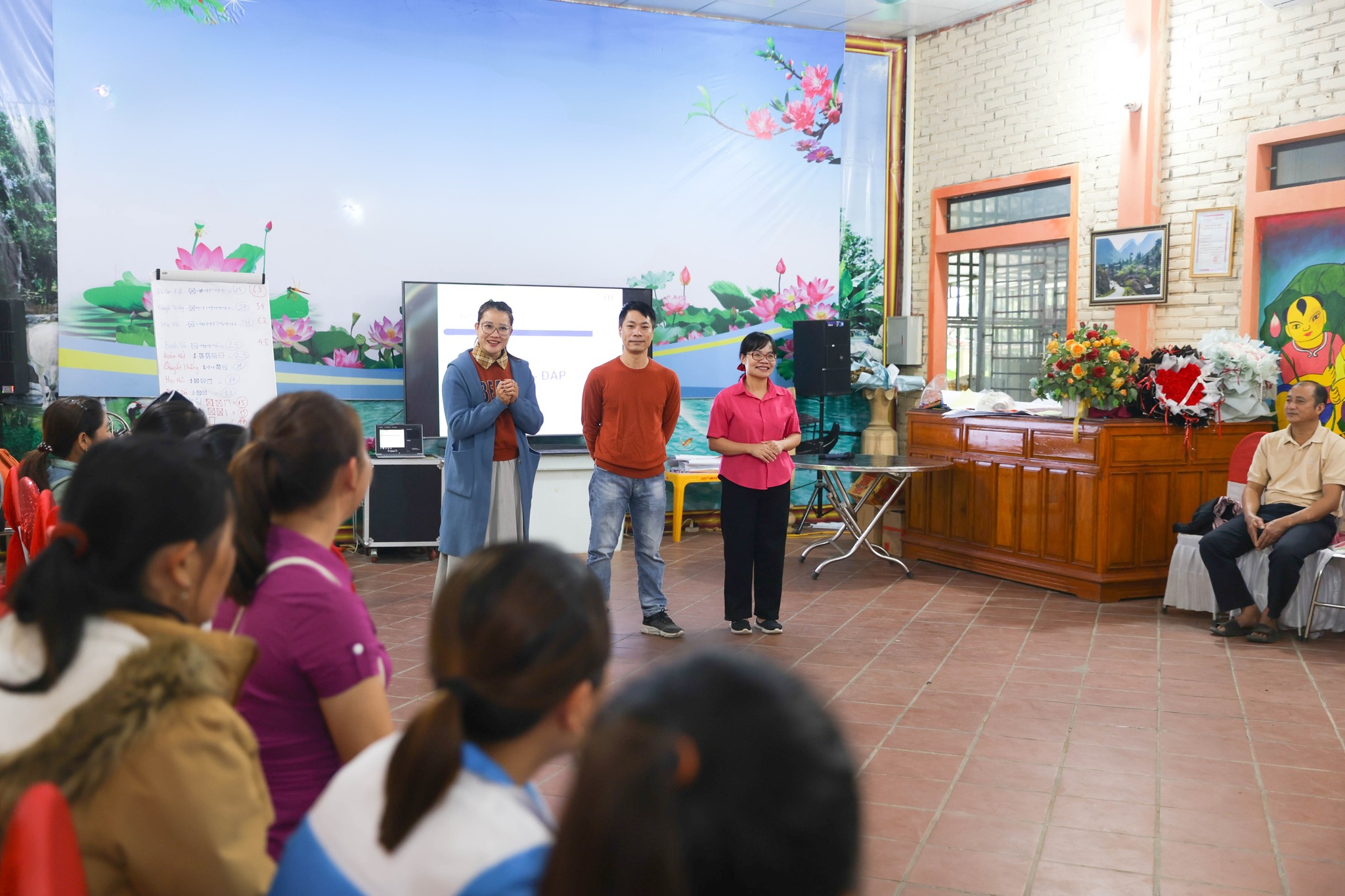
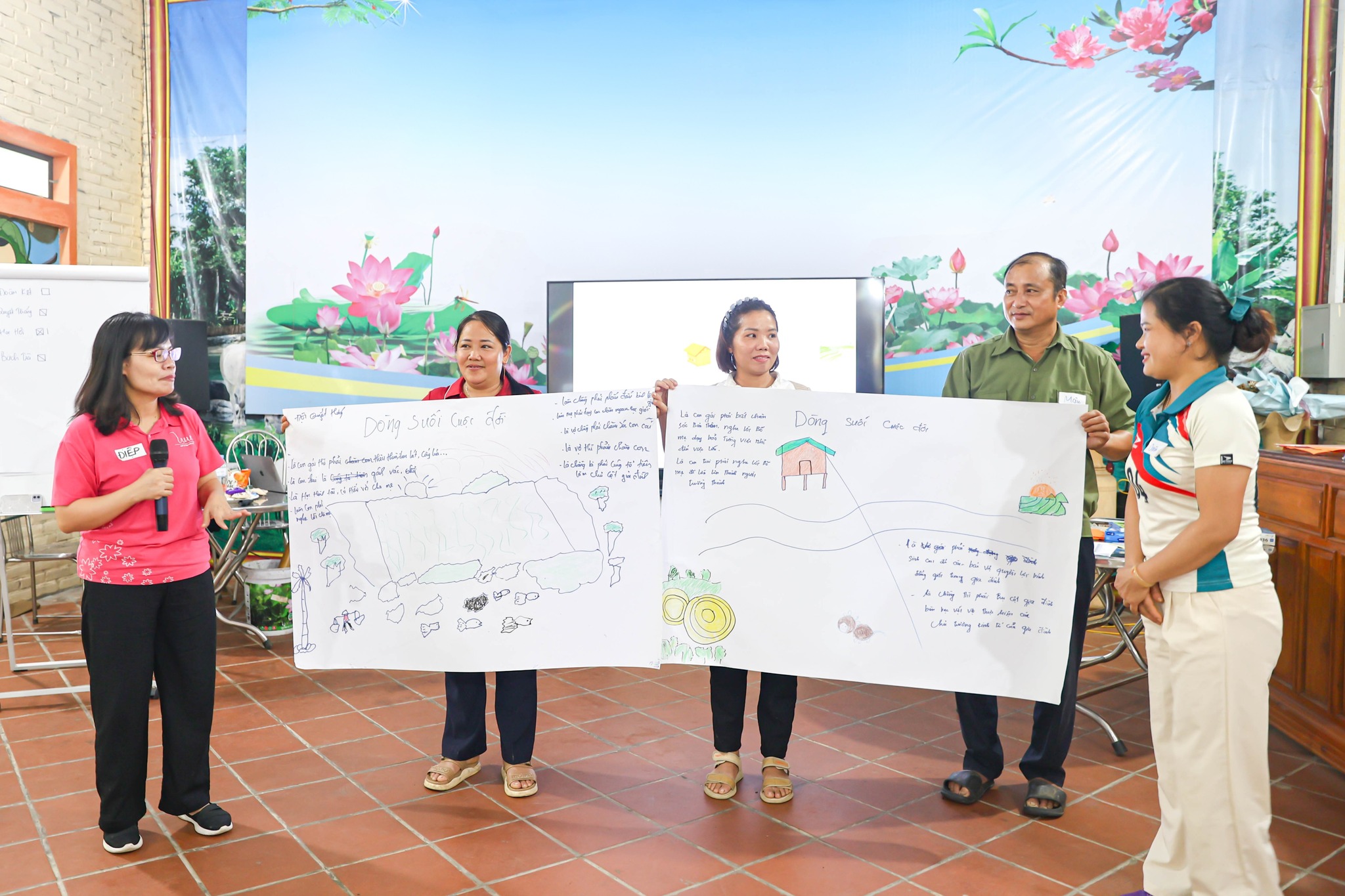
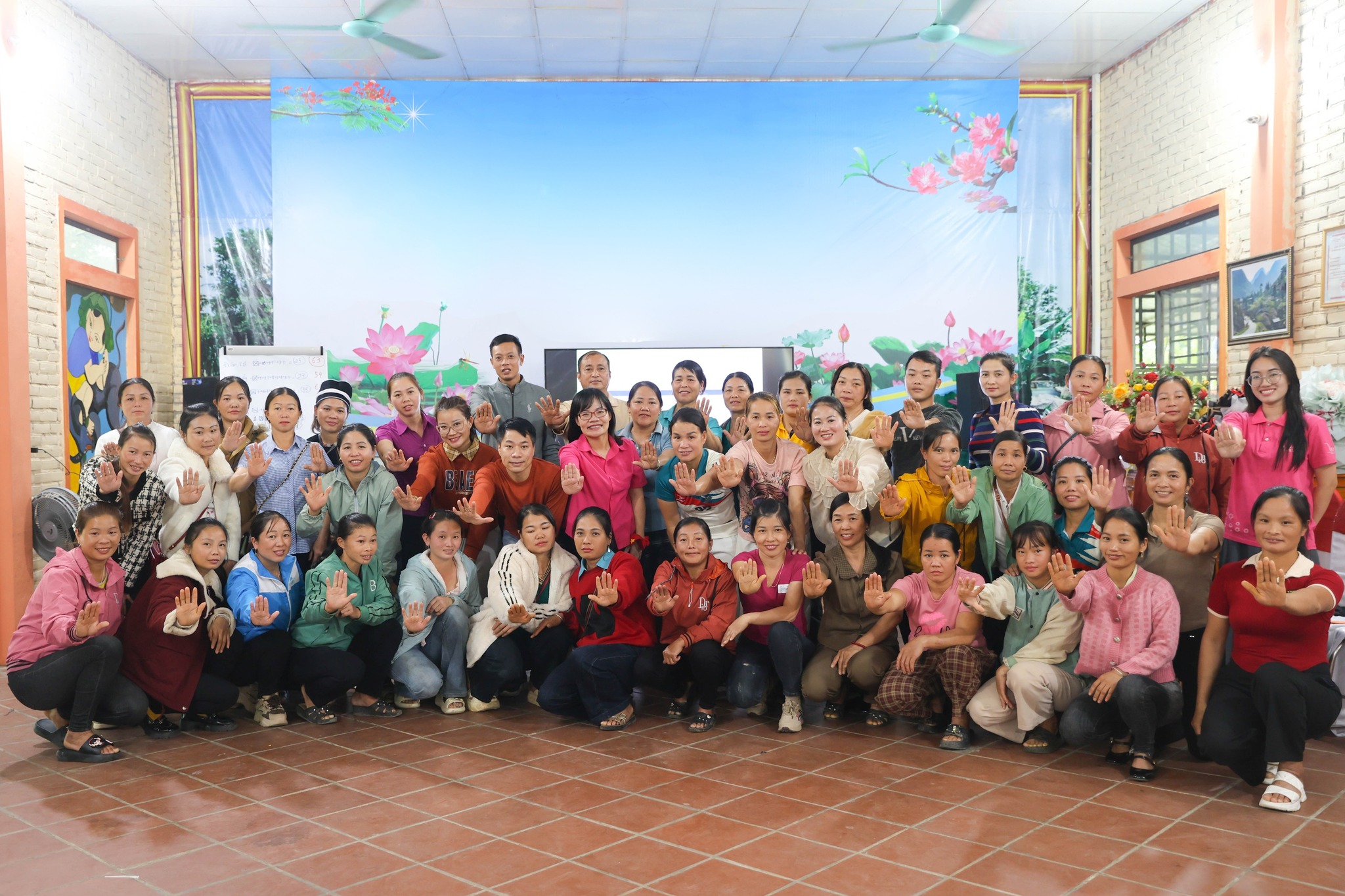
The training was directly facilitated by Ms. Tran Hong Diep - Director of VSF and Mr. Vu Xuan Thai - VSF Program Manager. Participants included 40 individuals benefiting from the Foundation’s livelihood support fund.
During the training, participants explored key concepts such as gender, sex, gender norms, gender stereotypes, gender bias and gender equality. They also practiced identifying and analyzing common gender stereotypes and biases within families and communities.
At the same time, participants were introduced to the forms, causes and consequences of domestic violence. Based on this knowledge, participants engaged in practical exercises on preventing and responding to domestic violence, with particular emphasis on help-seeking skills and personal safety planning.
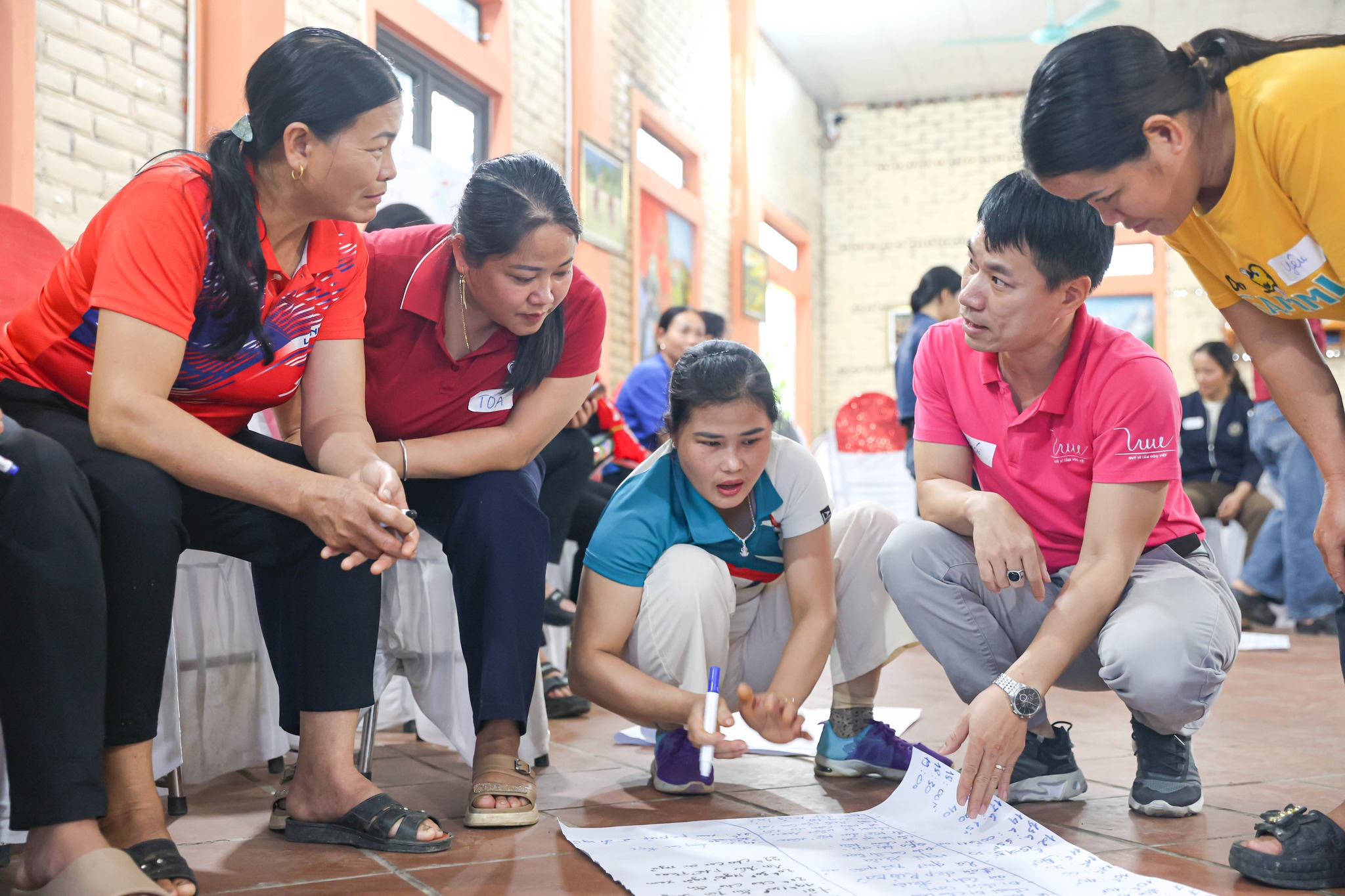
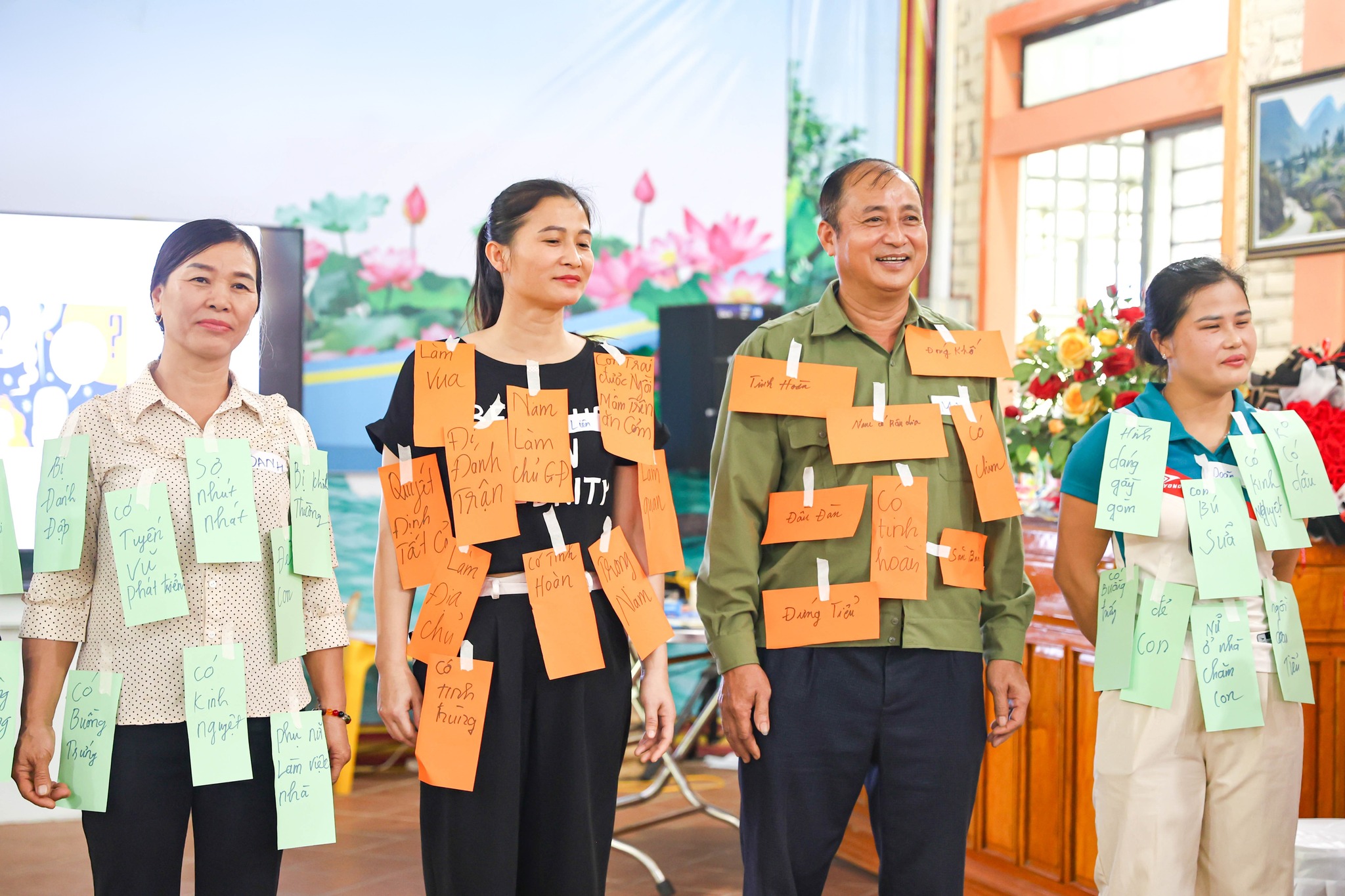
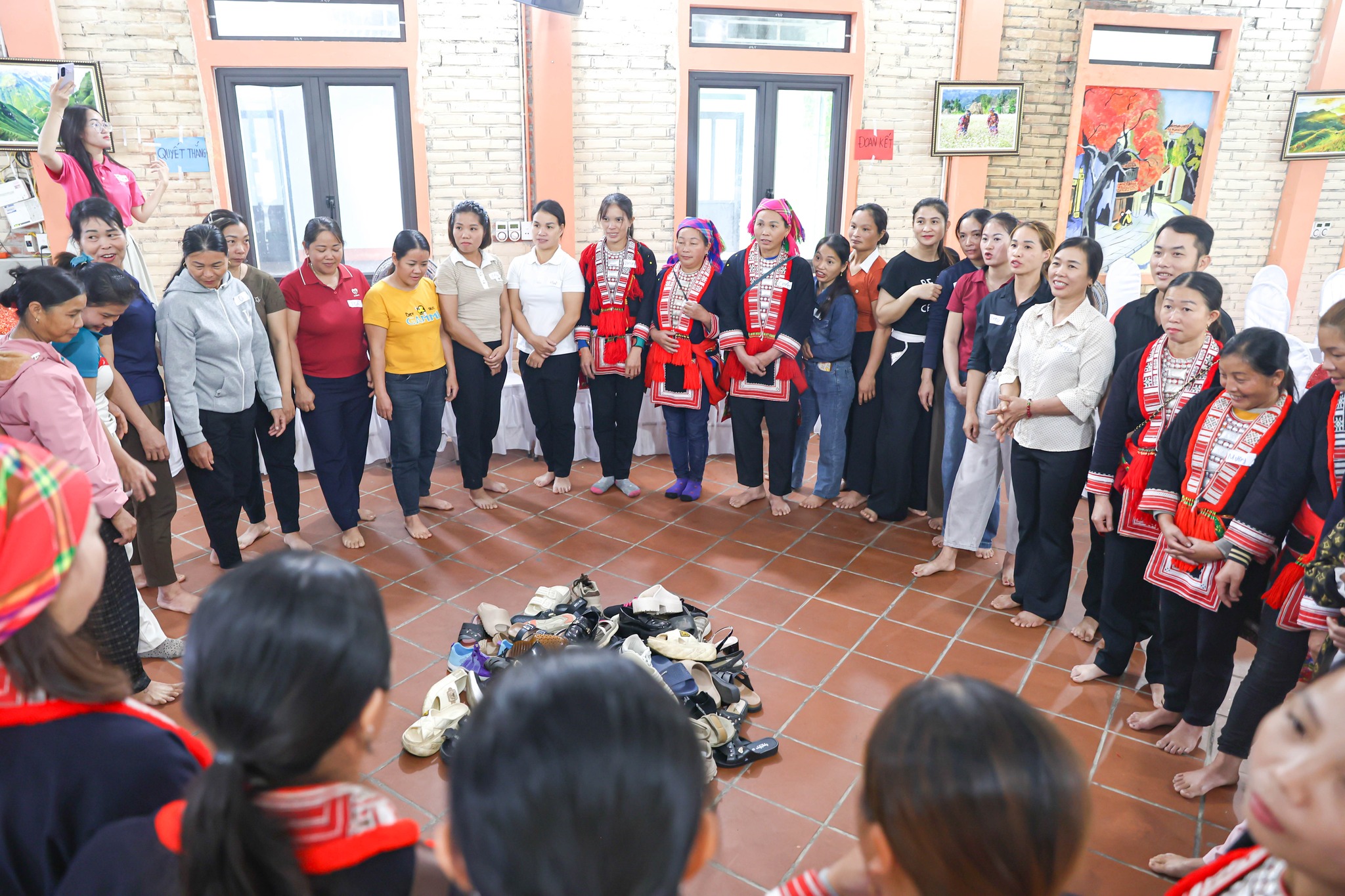
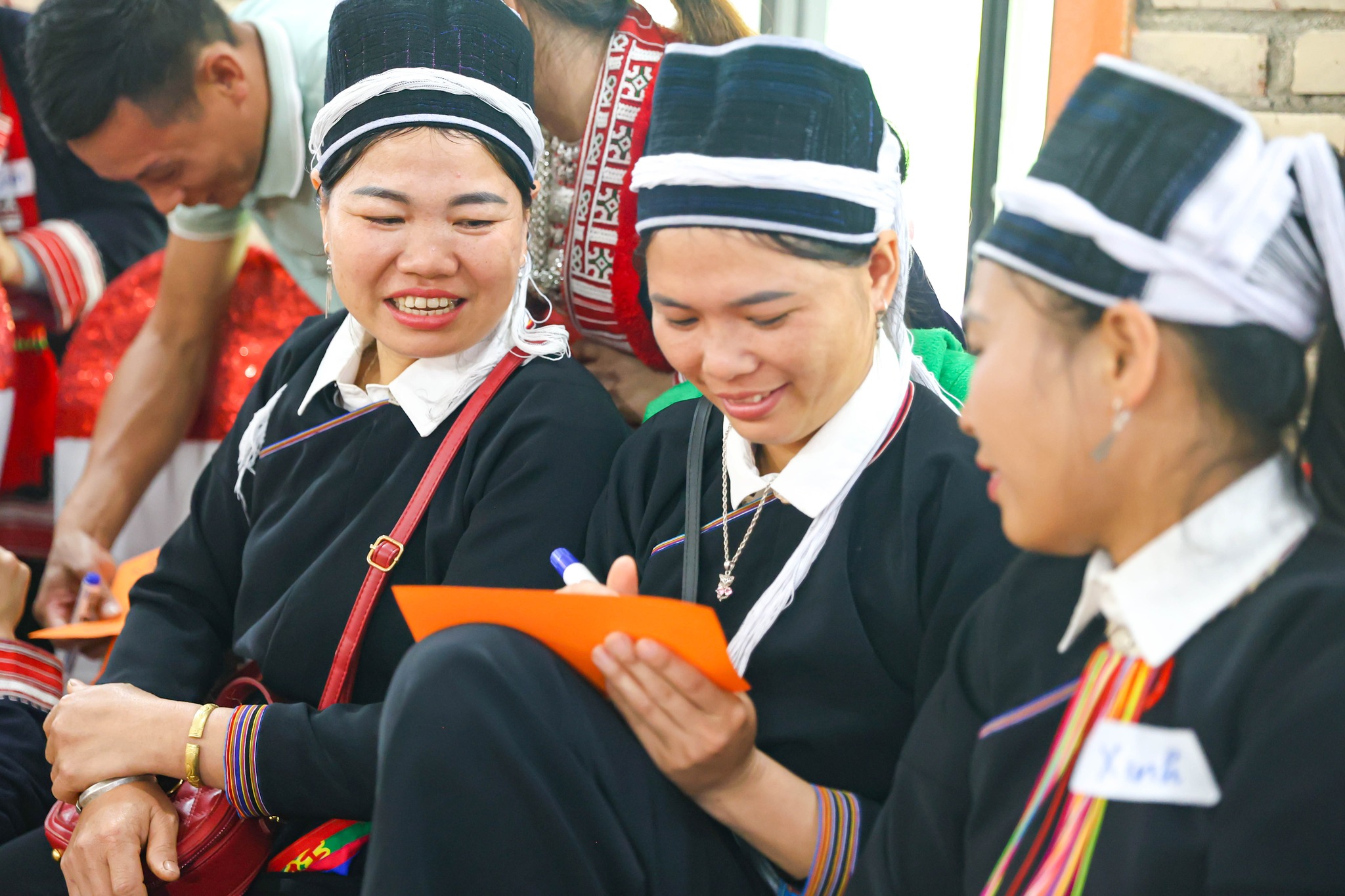
All training content was delivered through dynamic and diverse methods, including role play, group discussions, experiential games, film viewing and storytelling. These approaches contributed to creating an open, safe and inspiring learning environment in which participants felt confident to share their perspectives and acquire new knowledge and skills.
In addition to improving access to loan funds for livelihood development, similar training activities have helped women strengthen confidence in their own capacities, better understand their rights and roles and make economic decisions with greater self-assurance. These factors play an important role in enhancing the effective use of loan funds, promoting gender equality and promoting positive and sustainable change within communities.


Other project news
 Web.png)
 Web.png)
 Ảnh đại diệnWeb.png)